
By Dr. David Kimhy, PhD — Clinical psychologist specializing in psychosis treatment with over 20 years of experience.
Some people think psychosis is only about hallucinations or delusions. Those symptoms tend to get the most attention because they are more visible, more alarming, and easier for other people to recognize.
But many people I work with struggle just as much, sometimes more, with what are called “negative symptoms” – difficulties with motivation, emotional expression, connection, speech, energy, and the ability to engage with everyday life.
From the outside, the symptoms may be misread as laziness, depression, lack of effort, or even a personality change. What makes negative symptoms especially difficult is that they can interfere with the parts of life that help people feel like themselves – relationships, work, school, hobbies, daily routines, and the ability to feel emotionally present with other people. And unlike acute psychosis, negative symptoms tend to be unresponsive to medications.
Key points
- Negative symptoms can reflect difficulties with motivation, emotional connection, speech, and daily functioning.
- These symptoms are often misunderstood as laziness, disinterest, or lack of effort.
- Negative symptoms can continue even after more acute psychotic symptoms improve.
- Therapy can help people gradually rebuild structure, connection, and engagement with daily life.

Quick navigation
What negative symptoms can actually feel like
Negative symptoms are called “negative” not because they are bad, but because something has been reduced or lost.
For some people, that may look like:
- Feeling emotionally flat or disconnected
- Having trouble starting tasks
- Losing interest in activities they once cared about
- Speaking less during conversations
- Withdrawing socially
- Struggling to experience pleasure or motivation
- Feeling mentally slowed down or emotionally distant
Many people describe it as feeling disconnected from life itself.
They may know they care about people, but struggle to feel emotionally engaged with them. They may want to get out of bed, answer texts, go to work, or reconnect with friends, but the internal drive just isn’t there the way it used to be.
That can become incredibly frustrating and isolating.
Friends and loved ones often become confused by these changes. A parent or partner may think, “Why aren’t they trying?” The person experiencing the symptoms may ask themselves the same question every day, and become frustrated that they don’t have an answer.
How negative symptoms affect daily life
Negative symptoms can slowly shrink a person’s world.
Simple things can begin to feel unusually difficult. Showering. Grocery shopping. Returning a phone call. Following through on plans. Staying focused during conversations. Keeping up with responsibilities at school or work.
Sometimes people stop reaching out socially, not because they do not care, but because interaction feels exhausting or emotionally distant. Over time, relationships can become strained. Friends may stop inviting them places. Family members may become frustrated or worried.
This is one reason negative symptoms matter so much clinically. They can have a major impact on functioning and quality of life, even when more acute psychotic symptoms are improving.
I also think these symptoms can affect identity in a very painful way.
People often tell me:
“I don’t feel like myself anymore.”
“I used to be outgoing.”
“I used to have goals.”
“I don’t understand what happened to me.”
That grief is real.
Why these symptoms are often misunderstood
Negative symptoms are not always easy to recognize, even for professionals.
Sometimes they overlap with depression, trauma responses, medication side effects, burnout, anxiety, or the emotional aftermath of a psychotic episode itself. In some cases, people have spent years being misunderstood before someone fully recognizes what is happening.
There is also a tendency for others to focus only on crisis stabilization. Once hallucinations or delusions become less intense, people may assume things are “better.” But many individuals continue struggling quietly with motivation, emotional connection, and daily functioning long after the crisis phase has passed.
This can leave people feeling invisible.
It can also create tension within families and relationships. Loved ones may push harder, criticize, or become emotionally reactive because they are scared and do not understand what they are seeing. Unfortunately, that often increases shame and withdrawal.
What I pay attention to in therapy
One of the most important parts of therapy is slowing things down enough to really understand the person’s experience instead of making assumptions about it.
I do not approach someone as “unmotivated” or resistant. I want to understand what daily life actually feels like for them. What has changed, what feels difficult, what still feels possible, what helps, and what makes things worse.
In many cases, the work is gradual and practical.
That may involve:
- Rebuilding routines slowly
- Improving emotional awareness and connection
- Strengthening communication with family members
- Reducing shame and self-criticism
- Finding manageable ways to reconnect with meaningful activities
- Understanding patterns that increase withdrawal or overwhelm
Sometimes we also work on helping families better understand what negative symptoms are and how to respond in ways that are supportive rather than escalating conflict or pressure.
Small shifts matter more than people realize.
A person getting out of the house more consistently. Re-engaging socially in small ways. Feeling emotionally present during a conversation again. Beginning to reconnect with goals or interests that once felt completely unreachable.
These changes are often quieter than dramatic symptom reduction, but they can have a profound impact on someone’s life.
Moving forward without losing hope
Negative symptoms can feel discouraging because progress is not always fast or linear. People often compare themselves to how they functioned before psychosis and feel overwhelmed by the gap.
But improvement is possible.
I have worked with many people who gradually rebuilt structure, connection, confidence, and a stronger sense of themselves over time. Not by pretending the struggle was not real, and not by forcing quick fixes, but through consistent support, understanding, and realistic steps forward.
If you are struggling with these symptoms, or watching someone you love struggle with them, it is important to know that this experience is more common than many people realize. It also deserves attention, care, and thoughtful treatment.
You do not have to wait until things become a crisis again before seeking support.
You do not have to keep wondering why everything feels harder right now
If you have been feeling emotionally flat, disconnected, unmotivated, or less like yourself, it can be painful when those changes are misunderstood by other people or even by you. At Vital Psychological Therapeutics, I offer specialized support for people living with the quieter symptoms of psychosis, including withdrawal, reduced motivation, and difficulty reconnecting with daily life, and you can reach out today to schedule a consultation.
Common questions about negative symptoms in psychosis
Negative symptoms involve a reduction in things like motivation, emotional expression, social engagement, speech, or interest in activities. They can affect daily functioning in significant ways.
Not always. There can be overlap, but negative symptoms and depression are not identical. Some people experience both at the same time, which can make things more complicated.
Yes. Improvement is possible, although it is often gradual. Therapy, support, structure, medication management, and family understanding can all play important roles.
Because the symptoms can look like laziness, avoidance, or lack of effort from the outside. Many loved ones do not realize the person may be struggling with reduced motivation, emotional connection, or cognitive energy.
Therapy can help people better understand what they are experiencing, rebuild routines and connection slowly, reduce shame, and work toward meaningful day-to-day improvement.
A resource for learning more about negative symptoms
Negative symptoms are among the most challenging and often misunderstood aspects of psychosis. While hallucinations and delusions tend to receive the most attention, difficulties with motivation, emotional expression, social connection, and engagement in daily life can have an equally significant impact on a person’s quality of life.
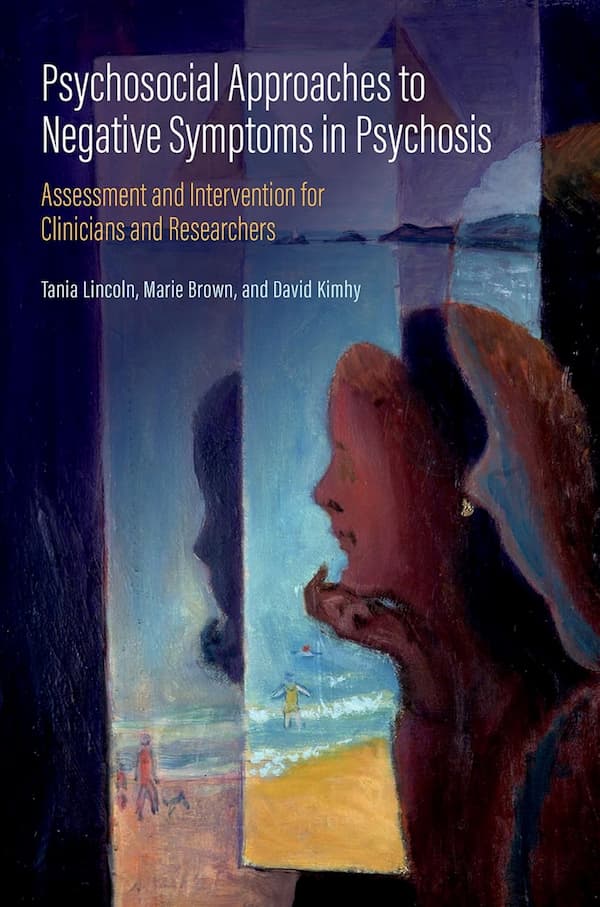
To help address this important area of care, I co-edited Psychosocial Approaches to Negative Symptoms in Psychosis, published by Oxford University Press. The book brings together leading clinicians, researchers, individuals with lived experience, and family advocates to explore practical, evidence-based approaches for understanding and treating negative symptoms.
A central theme throughout the book is that these experiences should not be viewed simply as deficits or absences. Instead, they deserve thoughtful exploration, compassion, and individualized support. The contributors examine a wide range of approaches, including psychotherapy, family support, mindfulness-based interventions, digital tools, and recovery-oriented practices that can help people reconnect with meaningful aspects of their lives.
The book is intended for mental health professionals, students, family members, and anyone interested in a deeper understanding of negative symptoms and recovery from psychosis.
By Dr. David Kimhy, PhD
He brings more than 20 years of experience in psychological treatment, academic research, and evidence-based care for people navigating psychosis and serious mental health concerns.